AEROSPACE & TECHNOLOGY
Shaping an Enterprise Usability Services Proposal
Overview
Enterprise design capability requires more than producing usable interfaces. It requires a repeatable approach to research, design, usability evaluation, standards, and collaboration that can work across complex technology projects.
In this engagement, I contributed to the development of an enterprise usability services proposal for a major aerospace and technology organisation. The work centred on structuring the response to a Request for Proposal (RFP), reviewing draft material, coordinating strategic input, and preparing the client presentation.
The engagement also connected to a broader operating-model concept: establishing a Centre of Excellence (CoE) that could support project teams, develop reusable design assets, and strengthen the consistency of user-centred design practices.
The challenge
Large enterprise technology programmes need a way to incorporate usability and user-centred design into delivery processes consistently. Without a structured approach, design expertise can remain fragmented across projects, and lessons learned may not translate into reusable standards or practices.
The challenge was therefore twofold: articulate a credible approach to enterprise usability services in response to the RFP, and frame a model for making design expertise and reusable practices available across project teams.
My role
My contribution focused on the consulting and design-strategy work associated with the RFP process. This included participating in think-tank meetings, reviewing RFP drafts, contributing to the response, and supporting client presentations.
The engagement provided an opportunity to connect design methods with service delivery considerations: how specialist expertise, reusable artefacts, standards, and project support could be organised to serve enterprise needs.
Engagement approach
The engagement followed a 12-week framework, progressing from discovery and planning into research and strategy, with conceptual design and detailed design represented in the overall process model.
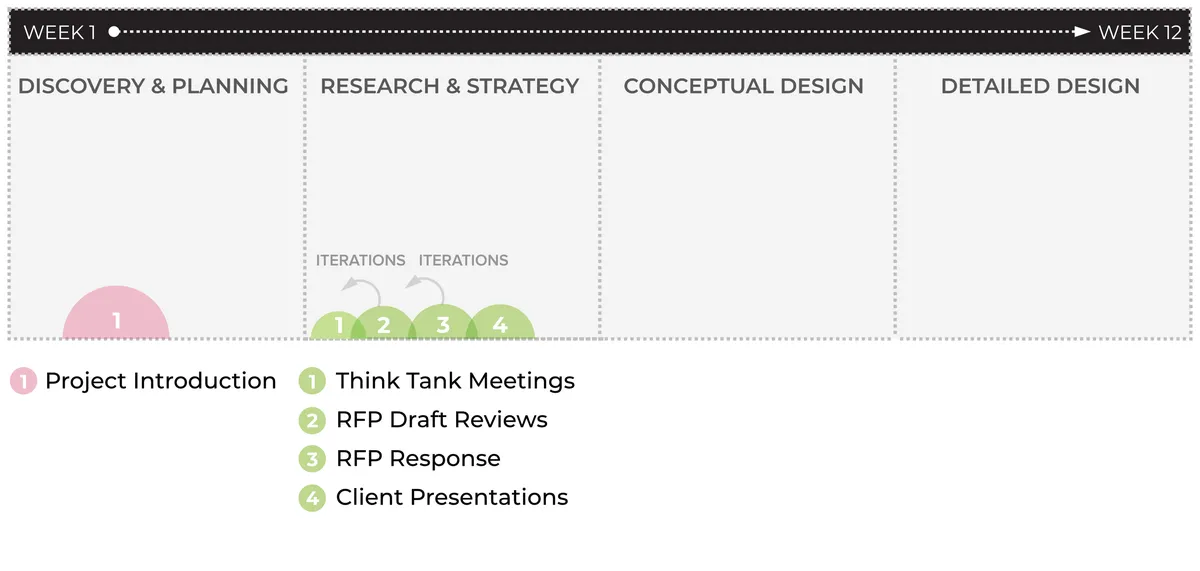
Figure 1. Engagement timeline and key activities across the 12-week process.
The diagram identifies the project introduction as an initial activity, followed by iterative work during the research and strategy phase. This included think-tank meetings, RFP draft reviews, development of the RFP response, and client presentations.
These activities helped structure the proposal and align its content before presentation. The diagram shows the later conceptual and detailed design phases as part of the overall framework; it does not, by itself, establish which deliverables were completed in those phases.
Enterprise design capability
The broader CoE concept addressed how an organisation could make design expertise available across multiple projects while retaining and reusing knowledge.
The proposed model included specialist capabilities such as user research, interaction design, visual design, usability testing, and UI development. It also envisaged a repository of reusable assets—including lessons learned, design patterns, templates, standards, best practices, and code resources.
Under this model, a CoE could support customer projects directly while enabling teams to access established guidance and reusable materials. A self-service approach could also make selected usability resources available for lower-priority projects.
The strategic value of this model is the potential to move design from a project-by-project activity towards a more repeatable enterprise capability. Reusable practices can support consistency, while specialist teams can help projects address user needs and usability risks within the constraints of enterprise delivery.
Deliverables and strategic significance
The documented engagement activities included RFP draft reviews, development of the response, think-tank meetings, and client presentations. The broader CoE model outlined a way to organise specialist design services and retain reusable knowledge across projects.
Together, these elements illustrate two connected aspects of enterprise design consulting: making the case for a structured usability service, and defining how design expertise could be organised and reused.
The case should not be read as evidence that the full CoE was implemented or that specific business outcomes were achieved. Its significance lies in the consulting work and operating-model thinking used to frame enterprise usability as a repeatable service rather than an isolated design task.
Explore other case studies →
AGRICULTURAL FINANCE
CONSUMER GOODS & MANUFACTURING
FINANCIAL SERVICES
PHARMACY & HEALTHCARE
RETAIL PHARMACY
SUPPLY CHAIN & LOGISTICS
TELECOMMUNICATIONS
TELECOMMUNICATIONS